Hidden Signs Of Attic Roof Water Damage
Attic roof water damage often shows subtle, hidden signs that go unnoticed until significant harm occurs
Attic problems rarely announce themselves with a dramatic leak; instead, they creep in through subtle, often overlooked indicators. National Roofing Services trains inspectors to detect staining, insulation deterioration, and structural softening early to prevent mold and rot. If you suspect issues, contact 303-555-7788 for a focused attic assessment that uncovers concealed problems. This guide describes the hidden signs of attic roof water damage and the practical repair actions that protect your home and health.
Understanding how water behaves once it penetrates the roof helps homeowners prioritize inspections and repairs. Water migration, evaporation, and condensation can create different patterns of damage, so knowing what to look for - from discolored sheathing to compressed insulation - makes early detection practical and effective. Below you'll find clear descriptions, inspection tips, and realistic repair options to help you act before small problems become costly.
Common hidden signs of attic roof water damage
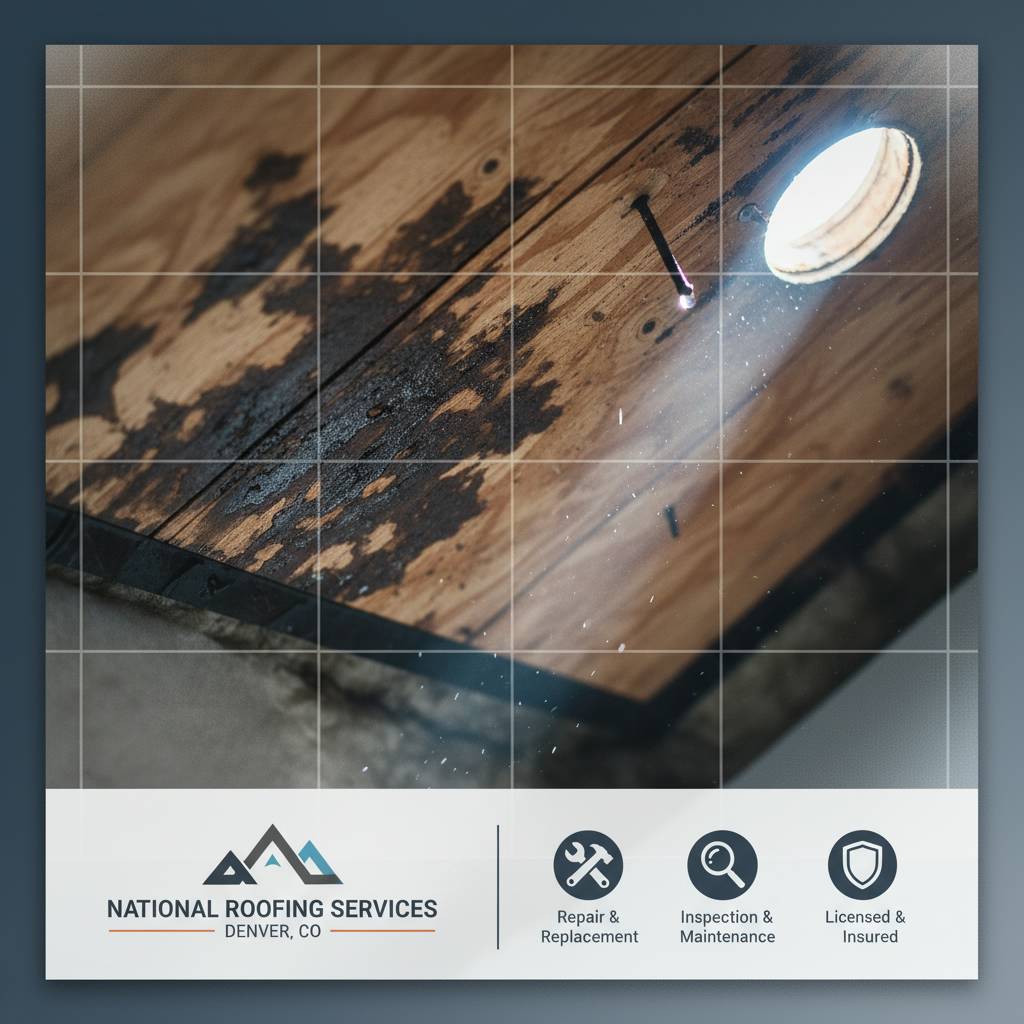
Not every sign of attic water damage is dramatic. Some are nearly invisible until you know where to look. Look for irregular staining on roof sheathing or rafters, darkened insulation clumps, and areas where wood feels slightly soft or springy under pressure. These telltale symptoms often precede visible leaks in living spaces and can indicate ongoing, low-volume water intrusion that will worsen if left untreated.
Another subtle but telling indicator is a persistent musty odor in the attic or upper floors, even when nothing appears visibly wet. That odor often means mold growth has already begun in hidden pockets of insulation, behind sheathing, or along framing members. Early recognition of smell combined with visual clues helps prioritize targeted inspections rather than expensive, full-scale tear-outs.
Staining patterns and what they reveal
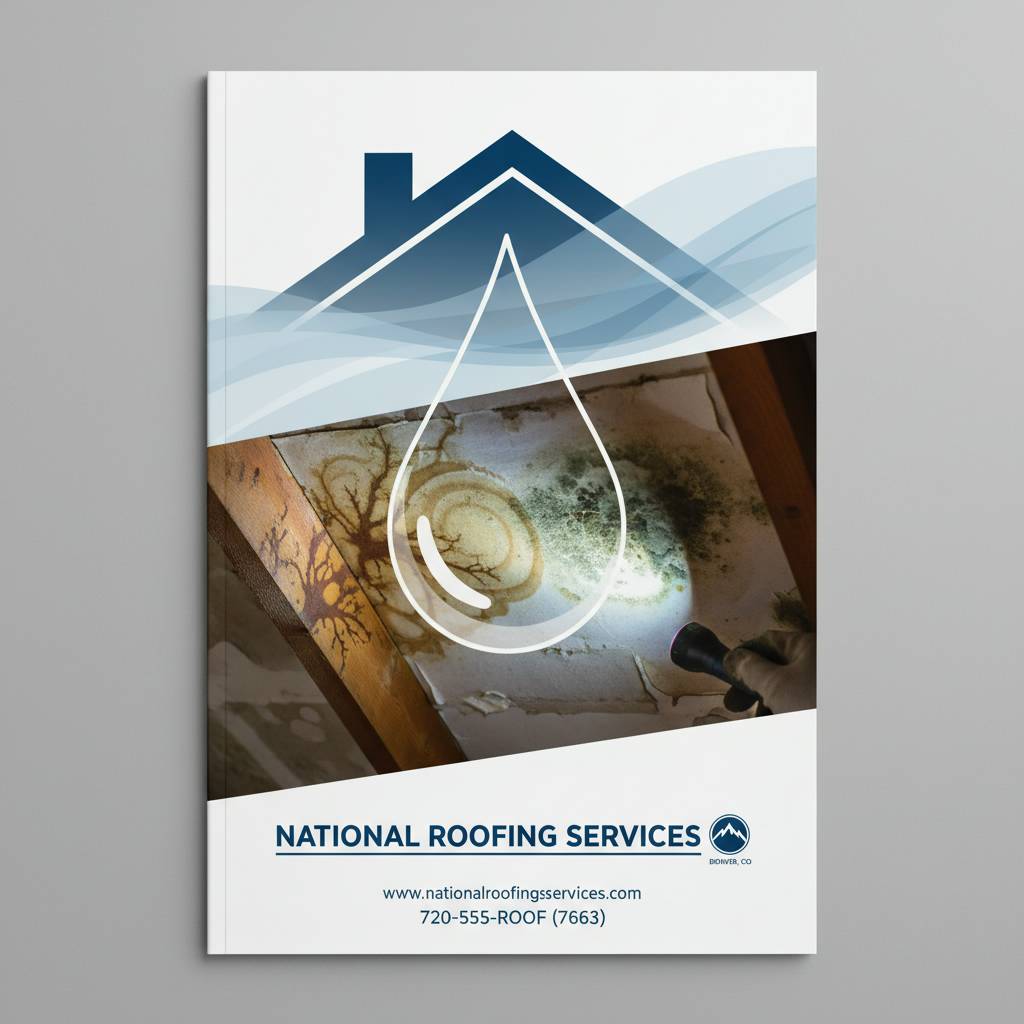 Staining on attic surfaces provides important clues about the source and severity of water entry. Circular or fan-shaped stains typically point to a single point of penetration - such as a failed flashing around a vent or chimney - while long streaks or repeated stains along a rafter line may indicate a flashing failure or underlayment breakdown higher up on the roof. Interpreting these patterns helps inspectors trace the path of water without destructive exploration.
Pay attention to recurrent stains that appear after rainfall. Fading or dull discoloration that persists even when surfaces are dry could indicate ongoing moisture cycling - wetting during storms and slow drying between events - a scenario that accelerates rot and mold growth. Documenting staining locations with photos and notes during different weather conditions provides valuable evidence for a targeted repair plan.
Insulation deterioration and ventilation failures
Insulation is one of the first materials to show the effects of attic moisture. Wet insulation loses R-value rapidly and often clumps or compacts, leaving cold spots and higher energy bills. In some homes, insulation settles away from the roof sheathing or forms discolored channels where water has tracked. Identifying these changes early can prevent the need for complete insulation replacement, or at least limit it to the affected zone.
Ventilation problems masquerade as roof leaks by creating condensation that mimics water intrusion. Poor attic airflow causes humid indoor air to condense on cold roof sheathing, producing staining and potential mold growth without any external roof breach. A sound inspection distinguishes between trapped humidity and external water by checking ventilation intake, exhaust pathways, and measuring moisture levels across multiple locations.
Structural softening, decay, and small-scale damage
Wood framing does not collapse overnight. It first shows subtle signs: slight give when you press on a rafter, small splits in the grain, or nail heads that pull through the surface. These early indicators often occur where water repeatedly soaks the same framing member, causing slow deterioration. Detecting softening during a careful attic walk-and-feel check can prevent larger structural repairs later.
Localized decay may be hidden behind insulation or under roof sheathing and is commonly discovered only when an inspector looks for differential stiffness across adjacent wood members. When one rafter or section is noticeably softer than its neighbors, that targeted area can be repaired or reinforced without gutting the entire attic, saving money and minimizing disruption.
Mold, air quality impact, and health considerations
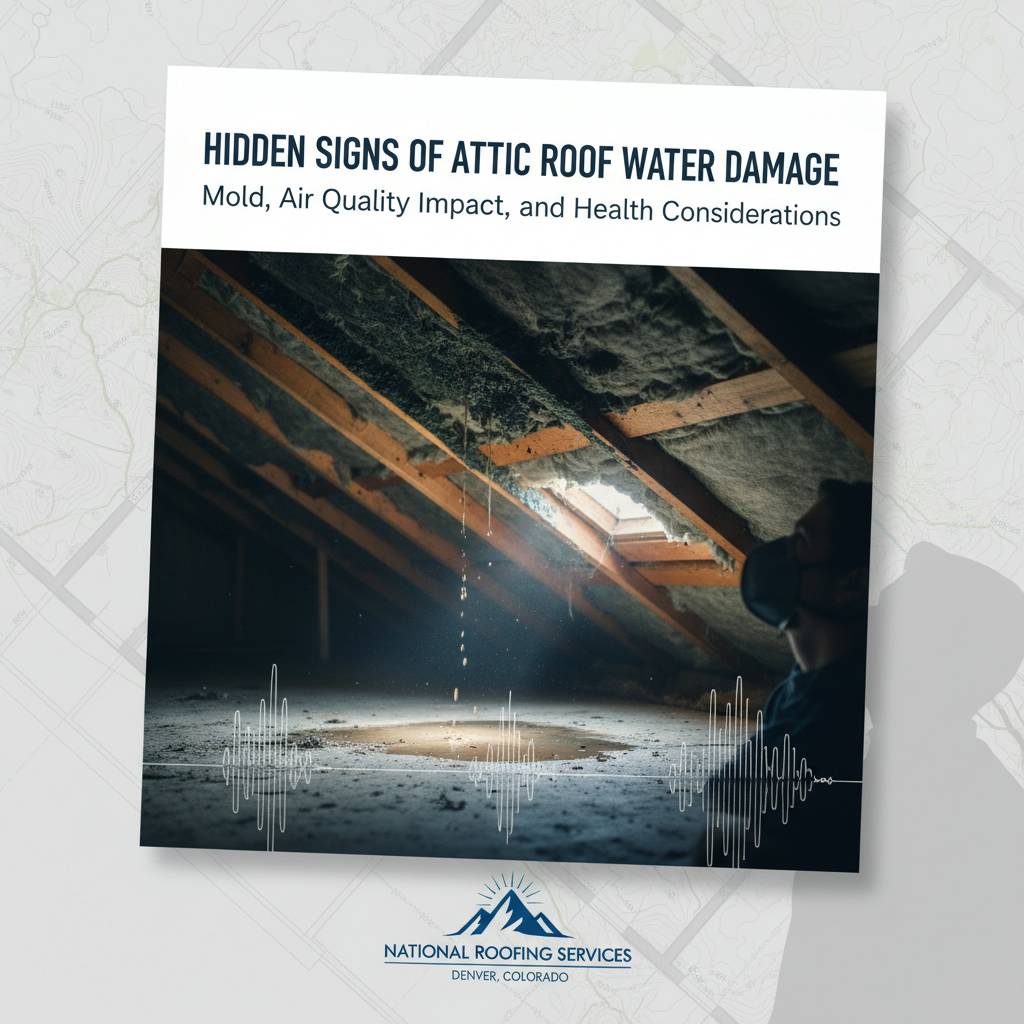 Mold thrives in damp, poorly ventilated attics and can spread spores into living spaces through gaps and duct penetrations. Even small mold colonies in insulation or on sheathing create indoor air quality concerns for sensitive occupants. Typical health symptoms include sinus irritation, persistent coughing, worsening allergies, and headaches. Addressing moisture sources in the attic is the primary step to controlling mold - removal without fixing the root cause only allows mold to return.
When mold is visible or suspected, a methodical approach is safest. Containment, proper personal protective equipment, and controlled removal of contaminated materials reduce the risk of spore spread. Following remediation, improving ventilation, replacing compromised insulation, and repairing the roof or penetrations will prevent recurrence and protect indoor air quality long-term.
How professional attic inspections uncover concealed problems
Trained inspectors use a combination of visual inspection, moisture meters, thermal imaging, and selective probing to locate hidden signs of attic roof water damage. A thermal camera quickly highlights cooler, wetter areas that ordinary sight cannot detect; moisture meters confirm active dampness; and targeted probing reveals soft wood without causing needless damage. This layered approach is what National Roofing Services emphasizes in its training for thorough, precise assessments.
Documentation is another important element of a professional inspection. Clear photographs, moisture readings, and a written description of observed conditions help homeowners weigh repair options and provide contractors with accurate information. When drainage, flashing, or ventilation issues are found, an inspector's documented findings allow for focused, cost-effective repairs rather than guesswork.
Tools commonly used in attic assessments
- Thermal imaging camera to detect temperature differentials related to moisture.
- Pin and nonpin moisture meters to verify dampness in wood and insulation.
- Flashlight and mirror for visual inspection of hard-to-reach spaces.
- Hygrometer to measure relative humidity and check for condensation risk.
- Small probing tools to test wood firmness without causing large-scale damage.
Practical repair options and realistic cost expectations
Repair strategies depend on the underlying cause. Common repairs include replacing damaged flashing around chimneys and vents, patching or replacing roof underlayment, removing and replacing wet insulation, and selectively repairing or sistering compromised framing. Because concealed damage varies widely in scope, cost estimates need to be based on documented inspection findings rather than visual assumptions from the attic hatch.
To give homeowners a general sense of expense, here are typical price ranges for common attic and roof-related repairs. These ranges are approximate and will vary by region, contractor, and the extent of hidden damage discovered during inspection:
| Repair | Typical cost range |
|---|---|
| Flashing repair or replacement | $75-$200 |
| Underlayment replacement (localized) | $200-$800 |
| Insulation removal and replacement (per affected area) | $150-$1,000 |
| Sistering or replacing framing members | $200-$1,500 |
| Mold remediation (localized) | $300-$2,500 |
These figures should be used for initial planning; a focused attic assessment will narrow the range and identify whether insurance may cover some repairs. Increasingly, small targeted fixes today prevent much larger structural and health-related expenses tomorrow.
Prevention, maintenance, and a homeowner checklist
Regular seasonal checks reduce the likelihood that hidden attic water damage goes unnoticed. Inspect roof penetrations, clean gutters, and confirm soffit and ridge vents are free of blockage. Seasonal inspections help catch problems when they are small: a few minutes looking for loose flashing, clogged vents, or sagging gutters often avoids more invasive measures later.
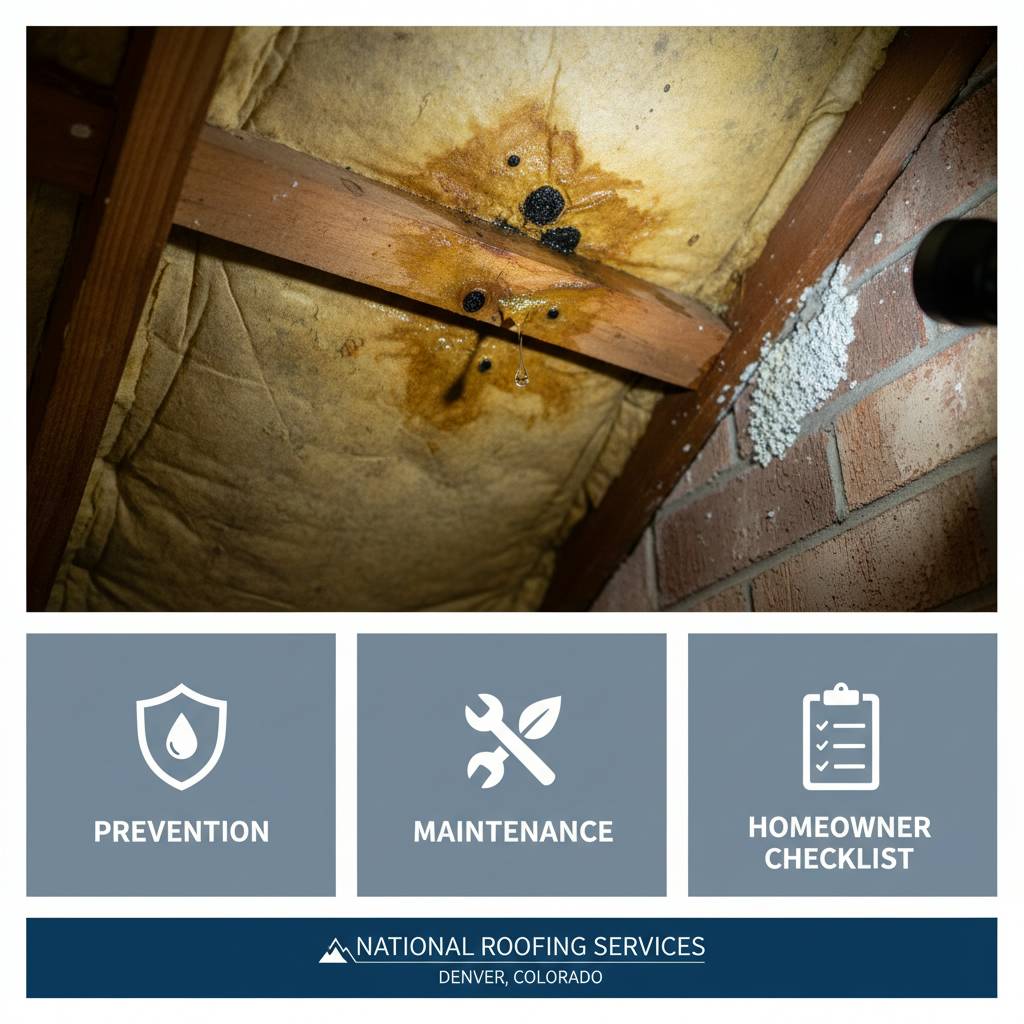
Here's a practical checklist you can use twice a year - ideally in spring and fall - to surface potential issues before they escalate:
- Look inside the attic for new or worsening stains after storms.
- Feel rafters and sheathing for soft spots by pressing gently with a gloved hand.
- Check insulation for clumping, staining, or compression.
- Verify ventilation intake and exhaust are unobstructed and unobstructed by debris.
- Examine attic-access seals and ducts for gaps that allow humid air to enter.
- Schedule a professional inspection if you detect moldy odors, repeated stains, or structural concerns.
When to call a professional - and what to expect
Call a professional whenever you encounter signs you cannot clearly trace, or whenever stains and smells persist after DIY mitigation. If you notice persistent discoloration, repeated drips, or softened framing, a professional assessment will determine whether the issue is a simple flashing fix, a ventilation correction, or a more extensive repair. National Roofing Services focuses on revealing these hidden problems early so that repairs are precise and minimally disruptive.
During a professional visit you can expect a methodical process: a visual evaluation, moisture and thermal scans, documentation of findings, and a clear, prioritized recommendation list. Good contractors will explain which repairs are urgent, which can be deferred, and which preventative steps will minimize future risk. Transparent communication and a written plan are markers of a reputable inspector and repair team.
Short case example
A homeowner reported a faint musty smell in upstairs bedrooms that appeared worse after wet weather. A targeted inspection found no visible roof leaks but thermal imaging showed a cool strip along a rafter bay. Moisture readings confirmed elevated dampness behind batt insulation where a failed vent flashing allowed water to track under the sheathing. The solution was localized flashing repair, removal of contaminated insulation, and improved attic ventilation - completed with minimal disruption and a clear follow-up plan.
FAQs: quick answers about hidden attic water damage
Q: Can condensation mimic roof leaks? A: Yes. Poor ventilation and warm, humid indoor air can condense on cool attic surfaces, producing staining and mold that looks like a leak. Measuring humidity and improving airflow resolves many such cases.
Q: Is mold always visible? A: Not necessarily. Mold can grow inside insulation or between roof layers. A musty odor, allergic symptoms, or positive moisture readings signal the need for further investigation even when mold isn't immediately visible.
Q: Will insurance cover attic water damage? A: Coverage depends on the cause. Sudden storm damage is often covered, while long-term neglect or maintenance-related leaks may not be. Proper documentation from a professional inspection improves the likelihood of a fair assessment from your insurer.
Final recommendations and next steps
 Hidden signs of attic roof water damage deserve attention because early action saves money, preserves structural integrity, and protects indoor air quality. Start with a careful visual and olfactory check, then call for a professional assessment if you find staining, soft wood, compressed or stained insulation, or persistent musty odors. A focused inspection identifies exact causes and prevents unnecessary, broad repairs.
For homeowners who want confidence and clarity, a targeted attic assessment is the most cost-effective next step. National Roofing Services trains inspectors to look beyond surface symptoms and to recommend repairs that address root causes rather than temporary fixes. If you suspect attic roof water damage, schedule a focused evaluation to uncover concealed problems before they become significant.
303-555-7788
Contact National Roofing Services today for a focused attic assessment that uncovers concealed issues and delivers clear, prioritized repair recommendations. Early detection saves money and prevents safety hazards - call 303-555-7788 to get started.